Google Pixel Pro vs Honor Magic
Updated: November 7, 2026Both the Google Pixel Pro and Honor Magic are premium Android flagships — neither is a wrong choice at this price tier. What separates them is philosophy: camera tuning approach, software longevity commitments, and which manufacturer's vision of Android you prefer living with.

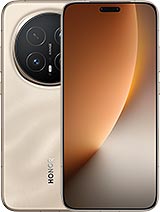
Early in release cycle
Imminent new model release
Significant discounts on Black Friday and Cyber Monday
Great time to buy - new model coming soon!
- Pinnacle of Innovation: Cutting-edge tech meets sophisticated design for the tech-savvy.
- Pro Photography: Capture the world in professional-grade detail.
- Google Ecosystem Harmony: Seamless integration for a smarter, more connected experience.
- 200MP Periscope Zoom: A 200MP 3.7x periscope telephoto alongside a 50MP main camera for detailed long-range shots.
- Fast Charging: 100W wired and 80W wireless charging.
- 7 Years of OS Updates: Up to 7 major Android version updates, matching Samsung and Google.
| Google Pixel Pro | Honor Magic | |
|---|---|---|
| Price | ||
| Starting Price | ★ $1,099 | $1,477 |
| Buy Timing | ||
| Released | Aug 20, 2026 | Jan 8, 2026 |
| Cycle | Good | Bad |
| Deals | Good | Good |
| Key Specs | ||
| Weight | ★ 207 g | 219 g |
| OS Updates | 7 yrs | 7 yrs |
| Fast Charging | 30 W | ★ 100 W |
Timing: When to Buy
A new Honor Magic model has been announced, which changes the calculus here. If you are leaning toward the Honor Magic, you may be better off waiting for the new generation or hunting for a clearance deal on the current one. The Google Pixel Pro has no imminent successor, making it the safer immediate buy.
Deals & Pricing
Pricing is favorable for both series at the moment, so deal-hunters have options. Compare current prices before deciding — the gap may be smaller than you expect.
Who Should Choose Each
Choose Google Pixel Pro if...
The Google Pixel Pro series is for the photography enthusiast and Android purist who wants the absolute best camera on any smartphone paired with timely updates straight from Google. It's perfect for users who rely on Google's ecosystem — Gmail, Docs, Photos, and AI tools like Gemini — and want a phone that gets better over time through software. If you value computational photography, clean Android, and 7 years of guaranteed updates, the Pixel Pro is the gold standard.
Choose Honor Magic if...
UK buyers who want a top-tier camera phone with long zoom, fast charging and long software support, as an alternative to the Galaxy S Ultra or Pixel Pro.
Our Take
On pure timing alone, the Google Pixel Pro is the stronger buy right now. That said, the right choice ultimately depends on your ecosystem, budget, and how you use your phone day-to-day.
Not sure how we calculate these ratings? Read our methodology →