Google Pixel Pro vs Sony Xperia 1
Updated: November 7, 2026Both the Google Pixel Pro and Sony Xperia 1 are premium Android flagships — neither is a wrong choice at this price tier. What separates them is philosophy: camera tuning approach, software longevity commitments, and which manufacturer's vision of Android you prefer living with.

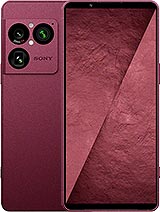
Early in release cycle
Early in release cycle
Significant discounts on Black Friday and Cyber Monday
Black Friday — the best chance of a discount on Sony's flagship.
- Pinnacle of Innovation: Cutting-edge tech meets sophisticated design for the tech-savvy.
- Pro Photography: Capture the world in professional-grade detail.
- Google Ecosystem Harmony: Seamless integration for a smarter, more connected experience.
- Headphone Jack and microSD: One of the last flagships with a 3.5mm headphone jack and expandable storage.
- Two-Day Battery: A 5,000mAh battery Sony rates for up to two days, with battery health protection rated for four years.
- Pro Camera Controls: A physical shutter button and Sony's pro camera apps, with an upgraded telephoto sensor.
| Google Pixel Pro | Sony Xperia 1 | |
|---|---|---|
| Price | ||
| Starting Price | ★ $1,099 | $1,875 |
| Buy Timing | ||
| Released | Aug 20, 2026 | Jun 19, 2026 |
| Cycle | Good | Good |
| Deals | Good | Good |
| Key Specs | ||
| Weight | 207 g | ★ 200 g |
| OS Updates | ★ 7 yrs | 4 yrs |
| Fast Charging | 30 W | 30 W |
Timing: When to Buy
Both series are in a good part of their release cycles right now. Neither is close to being superseded, so you can buy with confidence on timing grounds — your decision can focus purely on features and price.
Deals & Pricing
Pricing is favorable for both series at the moment, so deal-hunters have options. Compare current prices before deciding — the gap may be smaller than you expect.
Who Should Choose Each
Choose Google Pixel Pro if...
The Google Pixel Pro series is for the photography enthusiast and Android purist who wants the absolute best camera on any smartphone paired with timely updates straight from Google. It's perfect for users who rely on Google's ecosystem — Gmail, Docs, Photos, and AI tools like Gemini — and want a phone that gets better over time through software. If you value computational photography, clean Android, and 7 years of guaranteed updates, the Pixel Pro is the gold standard.
Choose Sony Xperia 1 if...
Enthusiasts in the UK and Europe who want a compact-ish flagship with a headphone jack, microSD, pro camera controls and a clean Android experience, and who are willing to pay a premium for them.
Our Take
Both series are evenly matched on timing right now. Your decision should come down to ecosystem preference, software update commitments, and which feature set matches your daily habits.
Not sure how we calculate these ratings? Read our methodology →