Google Pixel vs Nothing Phone
Updated: November 7, 2026Comparing the Google Pixel to the Nothing Phone means crossing market segments: one is a premium buy, the other a value-focused option. The question is less about which is "better" and more about whether the flagship experience is worth the extra spend for your actual use case.
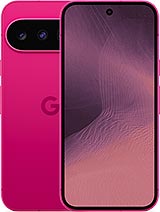

Early in release cycle
Reaching maturity, early rumors about next model coming out
Significant discounts on Black Friday and Cyber Monday
Significant discounts on Black Friday and Cyber Monday
- Pure Android: Simplicity and efficiency with a clean, uncluttered interface.
- AI-Driven Innovation: Advanced computational photography and real-time translation.
- Smart Power: Adaptive battery technology for smarter, longer use.
- Iconic Design & Glyph Interface: Transparent back with customizable LED Glyph lights for unique notifications and aesthetics.
- Optimized Nothing OS: A clean, bloatware-free Android experience with intuitive features and deep integrations.
- Capable Performance: Powered by Snapdragon 7s Gen 3, offering smooth daily usage and gaming.
- Advanced Camera Systems: 50MP main cameras with OIS, with the Pro model featuring an enhanced telephoto lens and 50MP selfie camera.
- All-Day Battery & Fast Charging: 5000mAh battery with 50W fast charging for extended usage.
| Google Pixel | Nothing Phone | |
|---|---|---|
| Price | ||
| Starting Price | $899 | ★ $799 |
| Buy Timing | ||
| Released | Aug 20, 2026 | Mar 27, 2026 |
| Cycle | Good | Neutral |
| Deals | Good | Good |
| Key Specs | ||
| Weight | ★ 204 g | 218 g |
| OS Updates | ★ 7 yrs | 5 yrs |
| Fast Charging | 30 W | ★ 65 W |
Timing: When to Buy
From a timing standpoint, the Google Pixel is earlier in its release cycle, meaning you get more runway before the next generation arrives. The Nothing Phone is further into its cycle — a new model may arrive sooner than expected.
Deals & Pricing
Pricing is favorable for both series at the moment, so deal-hunters have options. Compare current prices before deciding — the gap may be smaller than you expect.
Who Should Choose Each
Choose Google Pixel if...
The Google Pixel 11 is for people who want a straightforward Android phone with capable cameras, fast software updates from Google, and helpful Google AI features without stepping up to Pro pricing.
Choose Nothing Phone if...
The Nothing Phone series is for the user who is tired of boring smartphone designs and wants something that genuinely stands out. It is perfect for design-conscious buyers, tech enthusiasts, and anyone who values a clean, bloatware-free Android experience similar to stock Android but with unique personality. If you want a phone that sparks conversation, delivers reliable daily performance, and comes from a brand with a bold vision for the future of tech, Nothing is for you.
Our Take
On pure timing alone, the Google Pixel is the stronger buy right now. That said, the right choice ultimately depends on your ecosystem, budget, and how you use your phone day-to-day.
Not sure how we calculate these ratings? Read our methodology →