POCO F Series vs Oppo Find X
Updated: November 7, 2026Both the POCO F Series and Oppo Find X are premium Android flagships — neither is a wrong choice at this price tier. What separates them is philosophy: camera tuning approach, software longevity commitments, and which manufacturer's vision of Android you prefer living with.
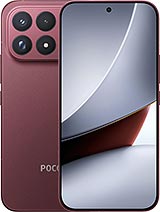

Early in release cycle
Current model just released
First meaningful discounts during Black Friday and Cyber Monday.
Significant Black Friday and Cyber Monday deals.
- Flagship Performance: Equipped with powerful Snapdragon 8 Elite Gen 5 V Series (Pro) and Snapdragon 8 Elite Gen 5 (Ultra) processors for extreme speed and efficiency.
- Immersive Gaming Experience: 185Hz AMOLED displays, Bose-tuned audio, and robust cooling systems designed for serious gamers.
- Massive Battery with Fast Charging: Large 6,330mAh (Pro) and 8,050mAh (Ultra) batteries with 100W wired and 50W wireless charging, ensuring all-day power.
- Premium Build Quality: Aerospace-grade aluminum frames with IP68 water and dust resistance for enhanced durability.
- Value for Money: Delivers an exceptional high-end smartphone experience at a significantly more accessible price point than competitors.
- Hasselblad Photography: Pro-grade camera system co-developed with Hasselblad for exceptional color accuracy.
- Massive Battery Life: Up to 8,000mAh silicon-carbon battery (7,150mAh in some markets, including Europe).
- Premium Design: Sleek glass and metal construction with sophisticated aesthetics.
| POCO F Series | Oppo Find X | |
|---|---|---|
| Price | ||
| Starting Price | ★ $699 | $999 |
| Buy Timing | ||
| Released | Sep 1, 2026 | Oct 21, 2026 |
| Cycle | Good | Good |
| Deals | Good | Good |
| Key Specs | ||
| Weight | ★ 206 g | 224 g |
| OS Updates | 4 yrs | ★ 5 yrs |
| Fast Charging | ★ 100 W | 80 W |
Timing: When to Buy
Both series are in a good part of their release cycles right now. Neither is close to being superseded, so you can buy with confidence on timing grounds — your decision can focus purely on features and price.
Deals & Pricing
Pricing is favorable for both series at the moment, so deal-hunters have options. Compare current prices before deciding — the gap may be smaller than you expect.
Who Should Choose Each
Choose POCO F Series if...
The Poco F Series is for the power user and avid mobile gamer who craves top-tier performance without the flagship price tag. It's for the person who knows what a Snapdragon 8 Gen series chip means and prioritizes frame rates and loading times over having the absolute best camera system. If you want a phone that feels incredibly fast and can handle anything you throw at it, the F series is your best bet.
Choose Oppo Find X if...
The Oppo Find X series is for the user who wants flagship performance without compromise, especially battery life. It's perfect for heavy users, photographers, and anyone tired of charging their phone multiple times a day. If you want cutting-edge camera technology, all-day++ battery, and premium design from a brand that's not Samsung or Apple, Find X is your answer.
Our Take
Both series are evenly matched on timing right now. Your decision should come down to ecosystem preference, software update commitments, and which feature set matches your daily habits.
Not sure how we calculate these ratings? Read our methodology →