POCO X Series vs Oppo Find X
Updated: November 7, 2026Comparing the Oppo Find X to the POCO X Series means crossing market segments: one is a premium buy, the other a value-focused option. The question is less about which is "better" and more about whether the flagship experience is worth the extra spend for your actual use case.
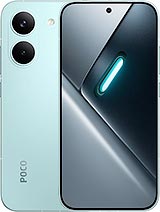

Reaching maturity, early rumors about next model coming out
Current model just released
Significant discounts during Black Friday and Cyber Monday
Significant Black Friday and Cyber Monday deals.
- Powerful Mid-Range Performance: Equipped with strong Dimensity or Snapdragon processors, ensuring smooth performance for daily tasks and gaming.
- Vibrant and Fluid Displays: Large, high refresh rate AMOLED displays provide an excellent visual experience for content consumption and interaction.
- Versatile Camera Setup: Capable multi-camera systems, often with OIS, deliver good photo and video quality in various conditions.
- Long Battery Life: Generous battery capacities with fast charging support to keep you connected throughout the day.
- Aggressive Pricing: Offers a compelling set of features and performance that often punch above their price segment.
- Hasselblad Photography: Pro-grade camera system co-developed with Hasselblad for exceptional color accuracy.
- Massive Battery Life: Up to 8,000mAh silicon-carbon battery (7,150mAh in some markets, including Europe).
- Premium Design: Sleek glass and metal construction with sophisticated aesthetics.
| POCO X Series | Oppo Find X | |
|---|---|---|
| Price | ||
| Starting Price | ★ $299 | $999 |
| Buy Timing | ||
| Released | Mar 17, 2026 | Oct 21, 2026 |
| Cycle | Neutral | Good |
| Deals | Good | Good |
| Key Specs | ||
| Weight | ★ 201 g | 224 g |
| OS Updates | 4 yrs | ★ 5 yrs |
| Fast Charging | ★ 100 W | 80 W |
Timing: When to Buy
From a timing standpoint, the Oppo Find X is earlier in its release cycle, giving you a longer window before you need to think about a successor. The POCO X Series is deeper into its cycle, so a new model could be closer than you think.
Deals & Pricing
Pricing is favorable for both series at the moment, so deal-hunters have options. Compare current prices before deciding — the gap may be smaller than you expect.
Who Should Choose Each
Choose POCO X Series if...
The Poco X Series is for the savvy user who prioritizes performance and display quality above all else. It's the ideal choice for mobile gamers, content streamers, and anyone who wants a phone that feels incredibly fast and responsive without paying a flagship price. If you want the most power-per-dollar and can accept a camera that's good but not class-leading, this is the series for you.
Choose Oppo Find X if...
The Oppo Find X series is for the user who wants flagship performance without compromise, especially battery life. It's perfect for heavy users, photographers, and anyone tired of charging their phone multiple times a day. If you want cutting-edge camera technology, all-day++ battery, and premium design from a brand that's not Samsung or Apple, Find X is your answer.
Our Take
On pure timing alone, the Oppo Find X is the stronger buy right now. That said, the right choice ultimately depends on your ecosystem, budget, and how you use your phone day-to-day.
Not sure how we calculate these ratings? Read our methodology →