Samsung Galaxy Z vs Oppo Find X
Updated: November 7, 2026Comparing the Samsung Galaxy Z to the Oppo Find X is fundamentally a form-factor question. Foldables carry a steep price premium over even the best traditional flagships — this comparison only makes sense if you are genuinely drawn to the large folding-screen experience, not just looking for a better phone.
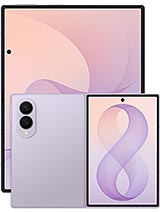
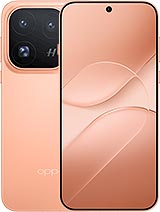
Early in release cycle
Current model just released
Significant discounts on Black Friday and Cyber Monday
Significant Black Friday and Cyber Monday deals.
- Next-Gen Design: Flip8's sleekness and Fold8's expansive display redefine smartphone form.
- Style & Productivity: Flip8 for elegance, Fold8 for multitasking prowess.
- Dynamic Flexibility: Embrace versatile mobile experiences with innovative folding tech.
- Hasselblad Photography: Pro-grade camera system co-developed with Hasselblad for exceptional color accuracy.
- Massive Battery Life: Up to 8,000mAh silicon-carbon battery (7,150mAh in some markets, including Europe).
- Premium Design: Sleek glass and metal construction with sophisticated aesthetics.
| Samsung Galaxy Z | Oppo Find X | |
|---|---|---|
| Price | ||
| Starting Price | $1,599 | ★ $999 |
| Buy Timing | ||
| Released | Aug 7, 2026 | Oct 21, 2026 |
| Cycle | Good | Good |
| Deals | Good | Good |
| Key Specs | ||
| Weight | ★ 215 g | 224 g |
| OS Updates | ★ 7 yrs | 5 yrs |
| Fast Charging | 25 W | ★ 80 W |
Timing: When to Buy
Both series are in a good part of their release cycles right now. Neither is close to being superseded, so you can buy with confidence on timing grounds — your decision can focus purely on features and price.
Deals & Pricing
Pricing is favorable for both series at the moment, so deal-hunters have options. Compare current prices before deciding — the gap may be smaller than you expect.
Who Should Choose Each
Choose Samsung Galaxy Z if...
The Samsung Galaxy Z series is for users who want to genuinely reimagine what a smartphone can be. The Z Flip8 appeals to style-conscious users who want a compact, pocket-friendly phone that turns heads, while the Z Fold8 and Z Fold8 Ultra are built for productivity powerhouses who want a tablet-sized screen in their pocket for multitasking. Both are for early adopters who are comfortable with premium pricing and want to be at the leading edge of mobile technology.
Choose Oppo Find X if...
The Oppo Find X series is for the user who wants flagship performance without compromise, especially battery life. It's perfect for heavy users, photographers, and anyone tired of charging their phone multiple times a day. If you want cutting-edge camera technology, all-day++ battery, and premium design from a brand that's not Samsung or Apple, Find X is your answer.
Our Take
Both series are evenly matched on timing right now. Your decision should come down to ecosystem preference, software update commitments, and which feature set matches your daily habits.
Not sure how we calculate these ratings? Read our methodology →