Xiaomi Redmi Note vs Samsung Galaxy Z
Updated: May 14, 2026Comparing the Samsung Galaxy Z to the Xiaomi Redmi Note is fundamentally a form-factor question. Foldables carry a steep price premium over even the best traditional flagships — this comparison only makes sense if you are genuinely drawn to the large folding-screen experience, not just looking for a better phone.

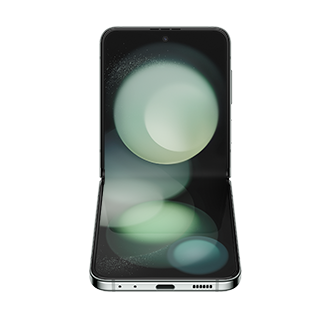
Early in release cycle
Imminent new model release
Early in cycle - good trade-in value expected
Great time to buy - new model coming soon!
- Stunning Displays: Vibrant AMOLED displays with high refresh rates for smooth scrolling and immersive viewing.
- High-Resolution Cameras: Equipped with advanced multi-camera setups, often including high-megapixel main sensors for detailed photos.
- Powerful Performance: Efficient processors ensure smooth multitasking and gaming, handling demanding apps with ease.
- Long-Lasting Battery: Large battery capacities coupled with fast charging technology keep you powered throughout the day.
- Exceptional Value: Offers premium features and performance typically found in more expensive phones, making them highly competitive.
- Next-Gen Design: Flip 7's sleekness and Fold 7's expansive display redefine smartphone form.
- Style & Productivity: Flip 7 for elegance, Fold 7 for multitasking prowess.
- Dynamic Flexibility: Embrace versatile mobile experiences with innovative folding tech.
| Xiaomi Redmi Note | Samsung Galaxy Z | |
|---|---|---|
| Price | ||
| Starting Price | — | — |
| Buy Timing | ||
| Released | Dec 18, 2025 | Jul 25, 2025 |
| Cycle | Good | Bad |
| Deals | Neutral | Good |
| Key Specs | ||
| Weight | — | — |
| OS Updates | — | — |
| Fast Charging | — | — |
Timing: When to Buy
From a timing standpoint, the Xiaomi Redmi Note is earlier in its release cycle, meaning you get more runway before the next generation arrives. The Samsung Galaxy Z is further into its cycle — a new model may arrive sooner than expected.
Deals & Pricing
Current deals favor the Samsung Galaxy Z, which is in an active discount window. If price is a major factor, now is a particularly good time to consider it.
Who Should Choose Each
Choose Xiaomi Redmi Note if...
The Redmi Note series is for the budget-conscious buyer who refuses to compromise on features. It's the perfect choice for users who want a large, beautiful display, a versatile camera that's great for social media, and a battery that lasts all day and then some. If you want the most features for your money and love tweaking your phone's settings, the Redmi Note is hard to beat.
Choose Samsung Galaxy Z if...
The Samsung Galaxy Z series is for users who want to genuinely reimagine what a smartphone can be. The Z Flip7 appeals to style-conscious users who want a compact, pocket-friendly phone that turns heads, while the Z Fold7 is built for productivity powerhouses who want a tablet in their pocket with S Pen support and Samsung DeX. Both are for early adopters who are comfortable with premium pricing and want to be at the leading edge of mobile technology.
Our Take
Both series are evenly matched on timing right now. Your decision should come down to ecosystem preference, software update commitments, and which feature set matches your daily habits.
Not sure how we calculate these ratings? Read our methodology →